


![[syndicated profile]](https://www.dreamwidth.org/img/silk/identity/feed.png) the_mary_sue_feed
the_mary_sue_feed
Being a reporter is a wild and wonderful thing. Some days, you get to go about your business as usual. Other days, you spend ages combing through the finer points of incest legislation.
That’s right, folks—there’s a viral TikTok going around, and it’s sparking online debates about exactly how much shared DNA is too much when you’re fighting on the battlefield of love. But worry not: The Mary Sue is here to walk you through what initially went down in the TikTok video itself, and then subsequently through what the law actually has to say about it all.
NEON at CinemaCon: Everything We Learned From the Presentation
Apr. 14th, 2026 08:56 pmthe_mary_sue_feed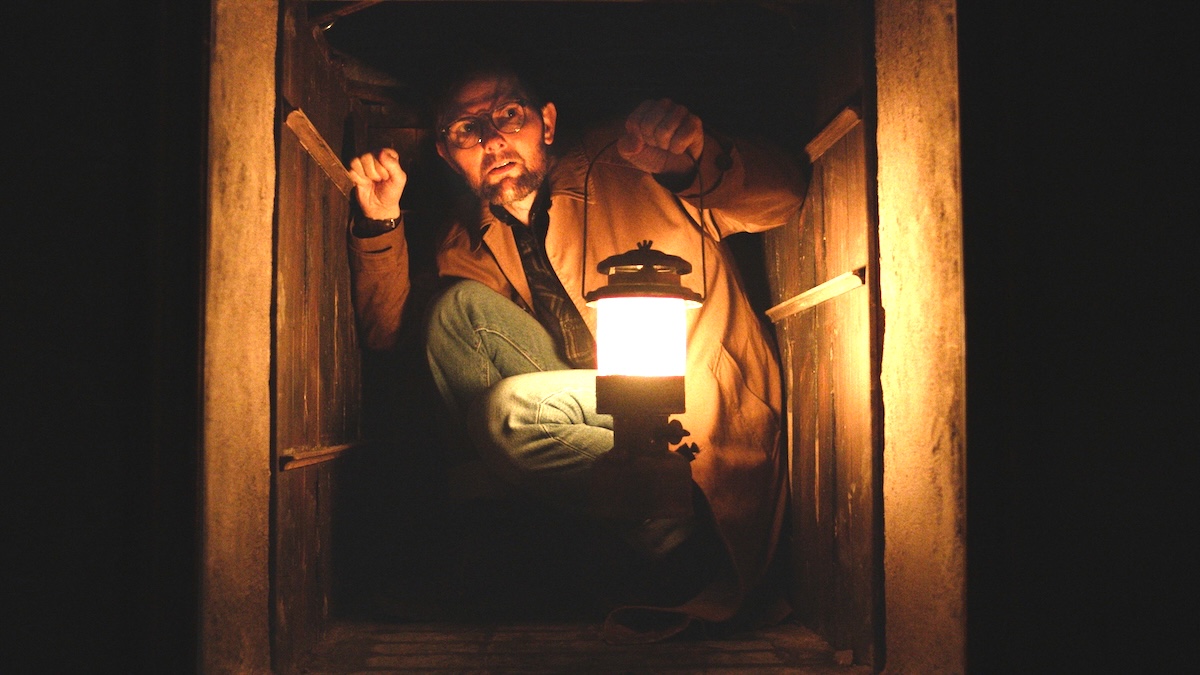
Day two of CinemaCon is here, and it’s starting with announcements from NEON. Beginning with a new spine-tingling trailer for the upcoming horror film Hokum introduced by star Adam Scott, it quickly took off from there. Director Boots Riley’s upcoming film, I Love Boosters, was also given a new trailer, with Riley appearing alongside star LaKeith Stanfield to introduce the trailer.
NEON continually proves that it is the little company that could, and its current slate shows that its drive, determination, and commitment to work with quality filmmakers pays off. The films coming out this year are bold, scary, and all have something to say.
Adria Arjona Joining the DC Universe Is For Me, Actually
Apr. 14th, 2026 08:32 pmthe_mary_sue_feed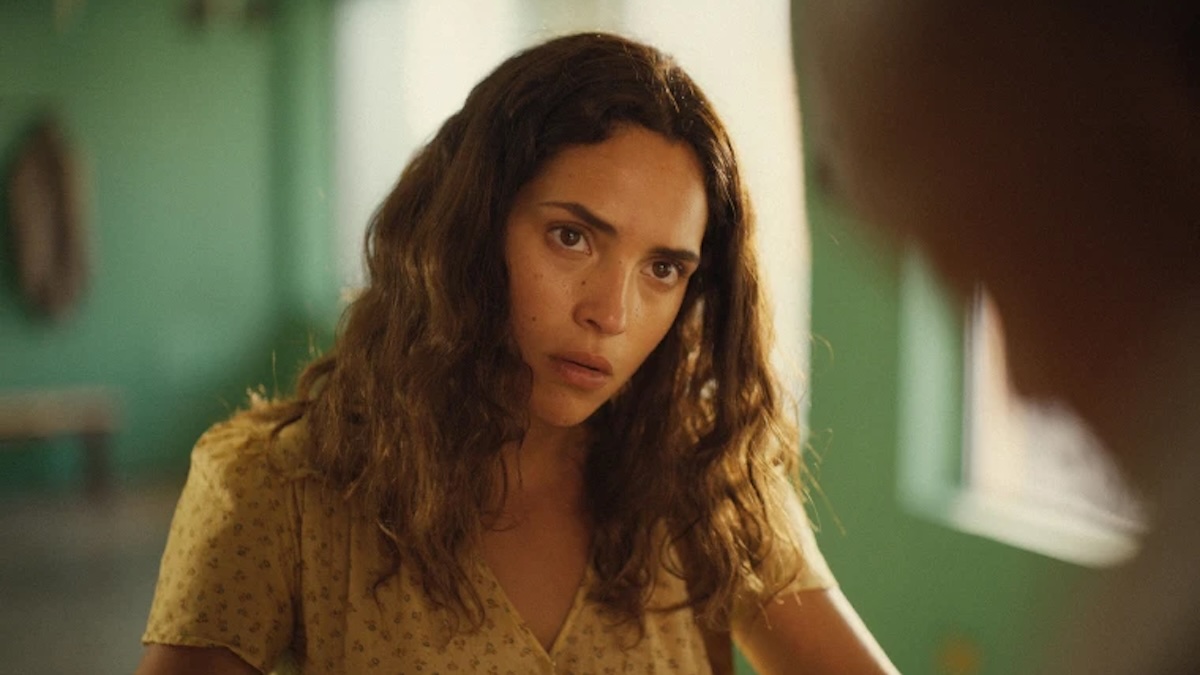
Andor star Adria Arjona is officially part of the DC Universe. The news comes from trade publications prior to the Warner Bros. panel at CinemaCon in Las Vegas. The problem is no one can agree on who she is playing.
Originally, it was rumored that Maxima could be a code name for Wonder Woman/Diana Prince but it has since been squashed by James Gunn. Both Deadline and Variety have reported that Arjona is going to be Maxima with other news sources claiming she will be another female character not yet announced. DC has not commented on the news.
The 10 Most Anticipated Queer TV Shows of 2026
Apr. 14th, 2026 08:25 pmthe_mary_sue_feed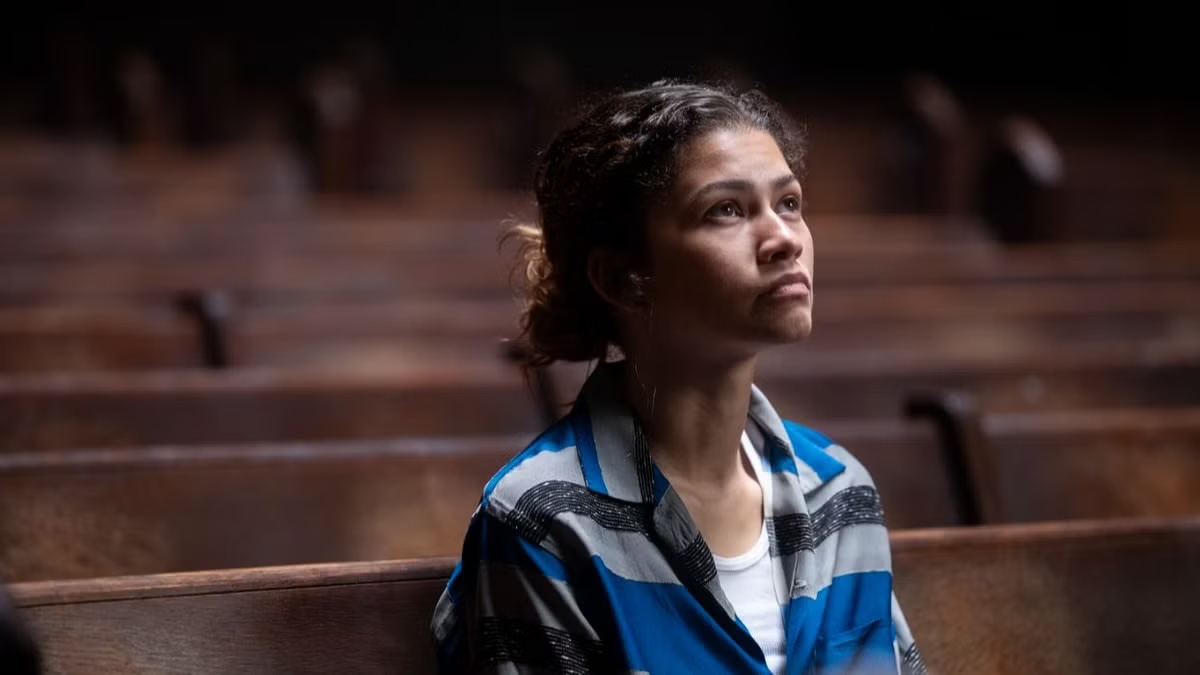
When it comes to TV, 2026 is a good year to be queer. With so many glitzy, glamorous, and gay shows rolling out, TV is becoming a necessary refuge from the increasingly uncomfortable political realities of the time. As LGBTQ+ rights are being challenged worldwide, queer shows have never felt more important. From messy vampire goth operas to coming-of-age classics in the making, these are the 10 most anticipated queer TV shows of 2026.
Interview with the Vampire — Season 3
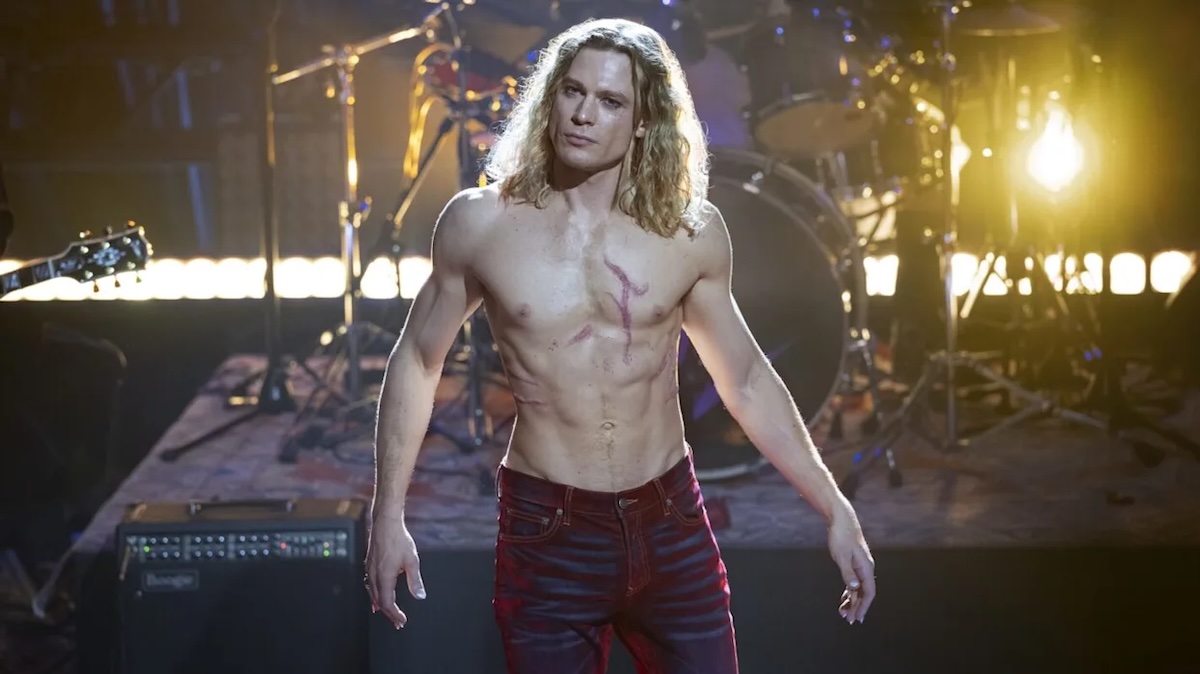
Gory. Gothic. Glorious. Gay. Interview With the Vampire contains bloodspattered multitudes. An adaptation of Anne Rice’s seminal vampire novel, the series is back for perhaps its most cinematic season yet. A narrative departure from season 2, the third season will center around pop culture’s favorite evil bisexual vampire twunk in his rockstar era. Lestat is a world-famous musician in the modern day, entertaining and preying upon his hordes of accolades. For fans of goth required viewing media like Queen of the Damned, The Vampire Lestat will be an absolute must-watch. And while Lestat’s centuries-long love affair with Louis Louis de Pointe du Lac will no longer be the primary focus of the series, you can bet that underneath all the guitars and guyliner, the gay yearning will remain as strong as ever.
the_mary_sue_feed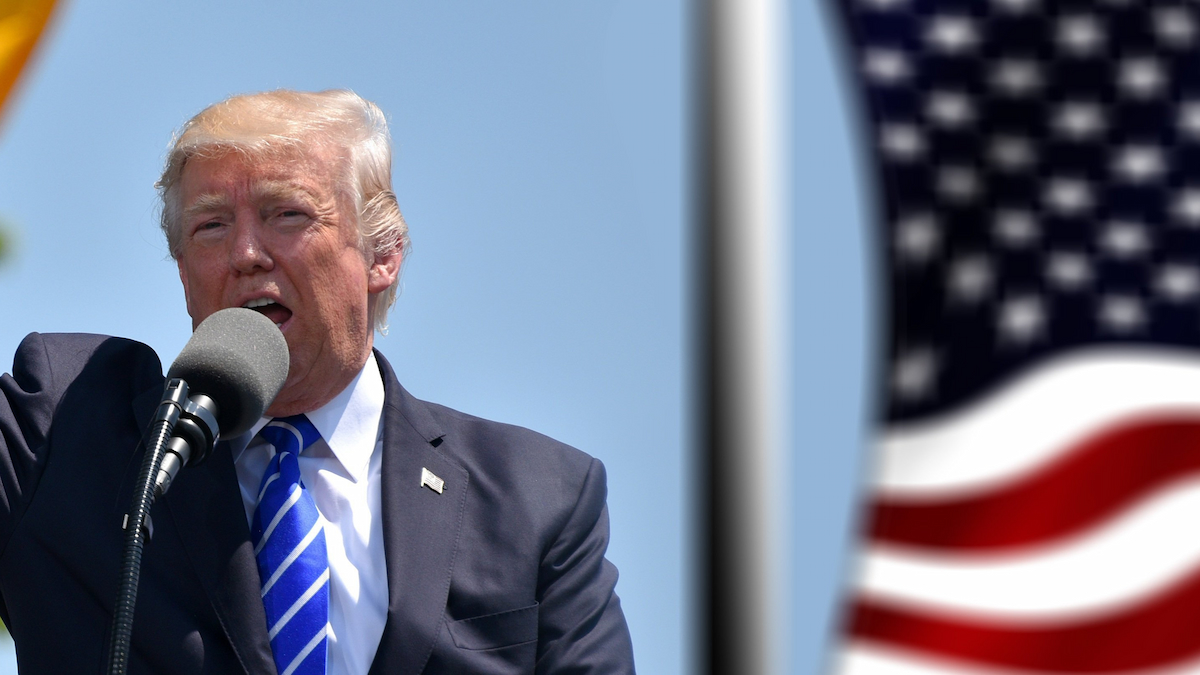
On Saturday, while United States President Donald Trump and Secretary of State Marco Rubio enjoyed a UFC event, Vice President JD Vance was in Pakistan negotiating with Iranian leaders over a peace deal between the U.S. and Iran after more than a month of fighting a war initiated by the United States. However, despite what appears to be his best efforts, JD Vance failed to secure a deal with Iran and suggested that they were not agreeing to some of the non-negotiables for the U.S. government.
While JD Vance’s return to the United States after unsuccessful talks with Iran has caused considerable discomfort among people who are openly criticizing him and other members of the Trump administration on social media, there is another thing that is making him famous online that is somewhat related to his failed attempt to secure a peace deal with Iran. In a video that has become popular on X (formerly Twitter), Vance compares the ongoing negotiations between Iran and the United States to an “arrangement” he has with his wife, eliciting a wide range of reactions from netizens.
the_mary_sue_feed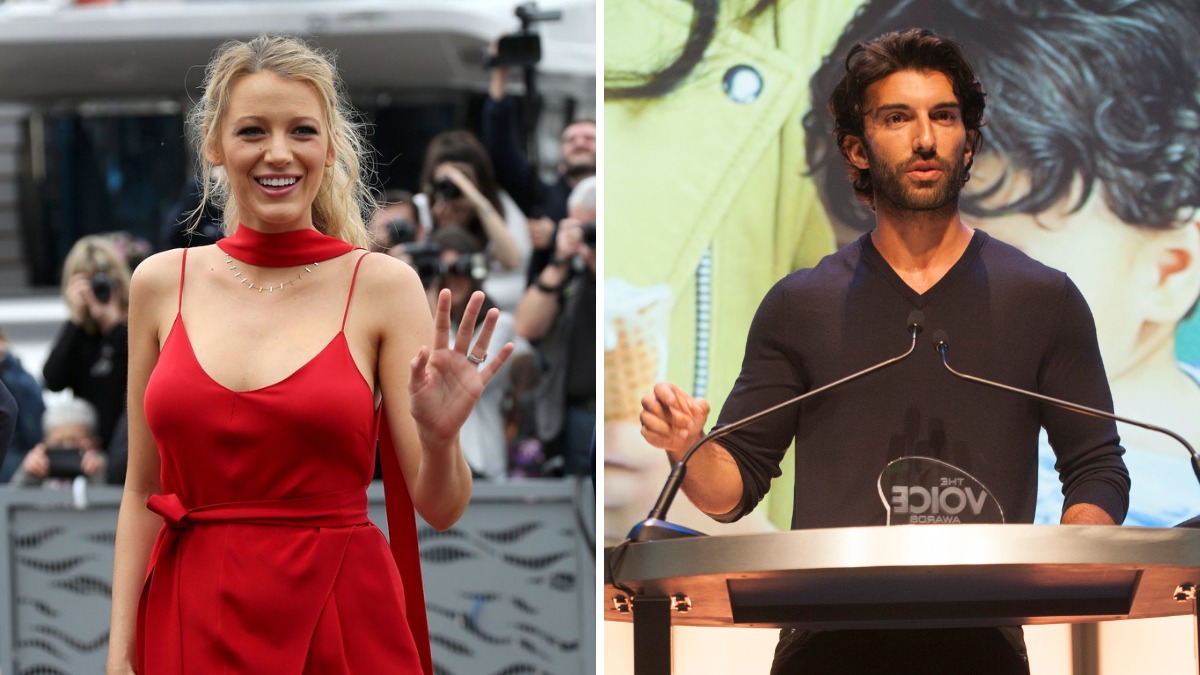
The legal battle between Blake Lively and Justin Baldoni is heating up as both sides prepare for a high-stakes trial scheduled to begin on May 18 in federal court in New York City. With less than six weeks left before the proceedings kick off, the docket is filling up with 11th hour motions, witness lists, and legal maneuvering that makes it clear this case is about far more than just what happened on the set of It Ends With Us.
At the center of the latest dispute is the crisis PR team hired by Baldoni and his Wayfarer Studios brass. According to Deadline, led by publicist Melissa Nathan, this team is now actively fighting to keep the jury from hearing about their past work with other high-profile clients.
the_mary_sue_feed
The highly contagious rotavirus is currently spreading across the United States, and health officials are warning that standard hygiene practices alone are not enough to curb the surge. The latest data from the Centers for Disease Control and Prevention indicates a significant uptick in cases, with the virus reaching its highest level of patient diagnoses since April of last year.
According to BroBible, as of the most recent update on April 13, 2026, the positivity rate for the virus hit 6.77%, which marks a 24% increase from the previous seven-day period. This is a concerning trend because the illness can be potentially life-threatening if not managed correctly. While many people might brush off a stomach bug as a minor inconvenience, the clinical reality for infants and young children is much more serious.
the_mary_sue_feed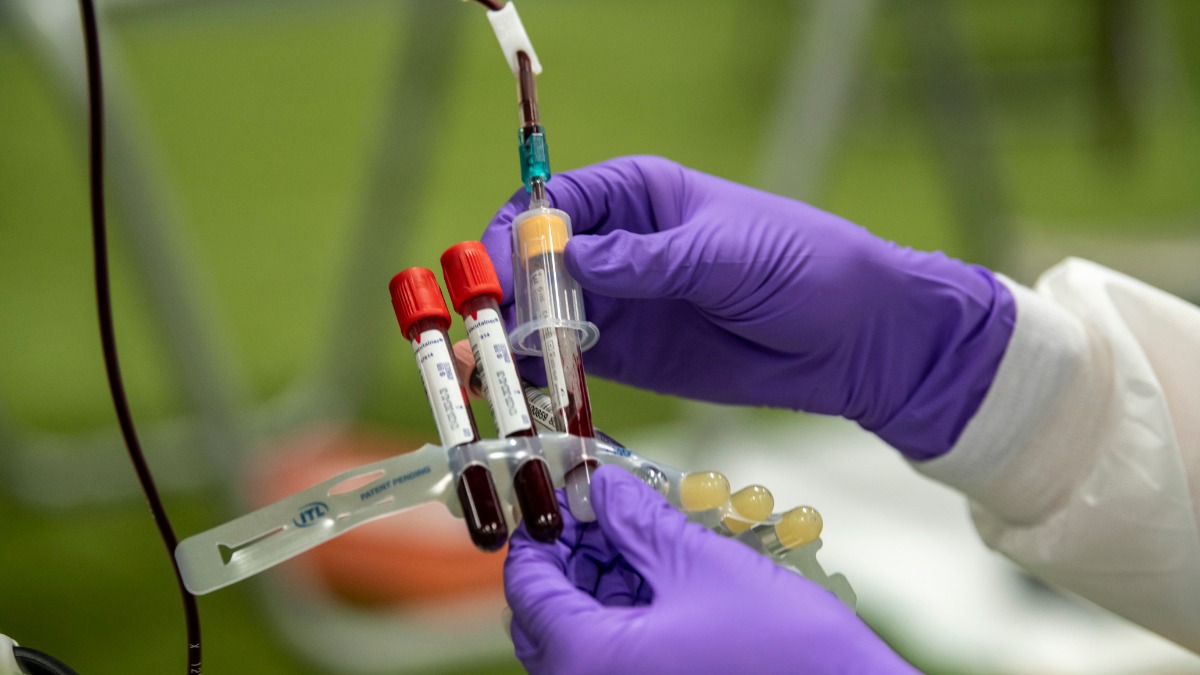
Health researchers are seeing a rise in patients refusing life-saving blood transfusions because they believe the blood comes from vaccinated donors, a trend that is already leading to serious medical complications, according to the Daily Mail. This shift is creating significant hurdles in clinical settings, as patients and their families increasingly demand blood from individuals who have not received COVID-19 vaccines.
While the total number of these requests remains relatively small, the consequences for those involved are becoming impossible for doctors to ignore. A study conducted at Vanderbilt University Medical Center found that between January 1, 2024, and December 31, 2025, there were 15 documented instances where patients or their families rejected standard blood transfusions in favor of unvaccinated donors.
Trump’s White House DoorDash grandma accused of being “staged”
Apr. 14th, 2026 08:09 pmthe_mary_sue_feed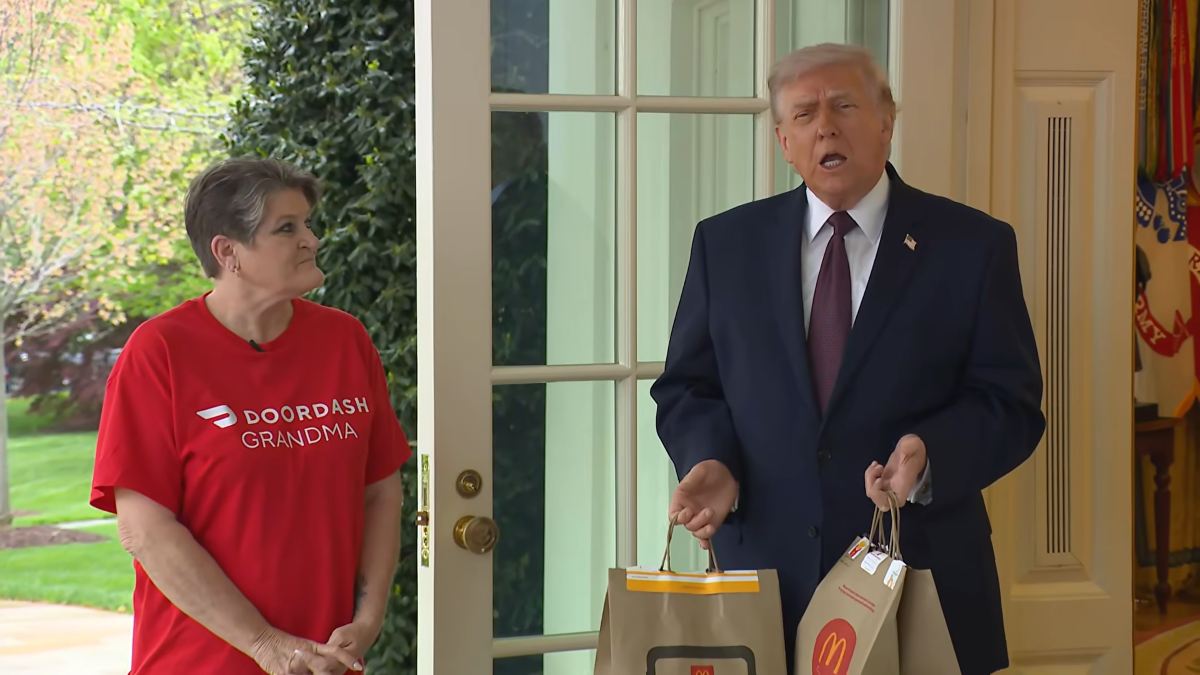
President Donald Trump ‘ordered’ from DoorDash and had a chance encounter with a DoorDasher. The worker believes she’s taking home $11,000 through Trump’s One Big Beautiful Bill. It sells as a heartwarming story, but speculations have been raised about the delivery person being a paid actor.
“This doesn’t look staged, does it?” Trump commented as the DoorDasher, Sharon Simmons, handed him two bags of McDonald’s takeout.
‘Your voice is one of the many:’ A child shares his policy dream with AOC
Apr. 14th, 2026 08:08 pmthe_mary_sue_feed
Rep. Alexandria Ocasio-Cortez asked a child about his ideal law. Most children would want something a bit more fantastical—something along the lines of free chocolates for everyone. But this child brought up a policy that’s arguably more difficult to achieve than free, unlimited candy.
“America has to let people go to the doctor free, because in other places, they have it free,” the child said. He recounted his mother’s childbirth experience as an example for why this should be the case.
the_mary_sue_feed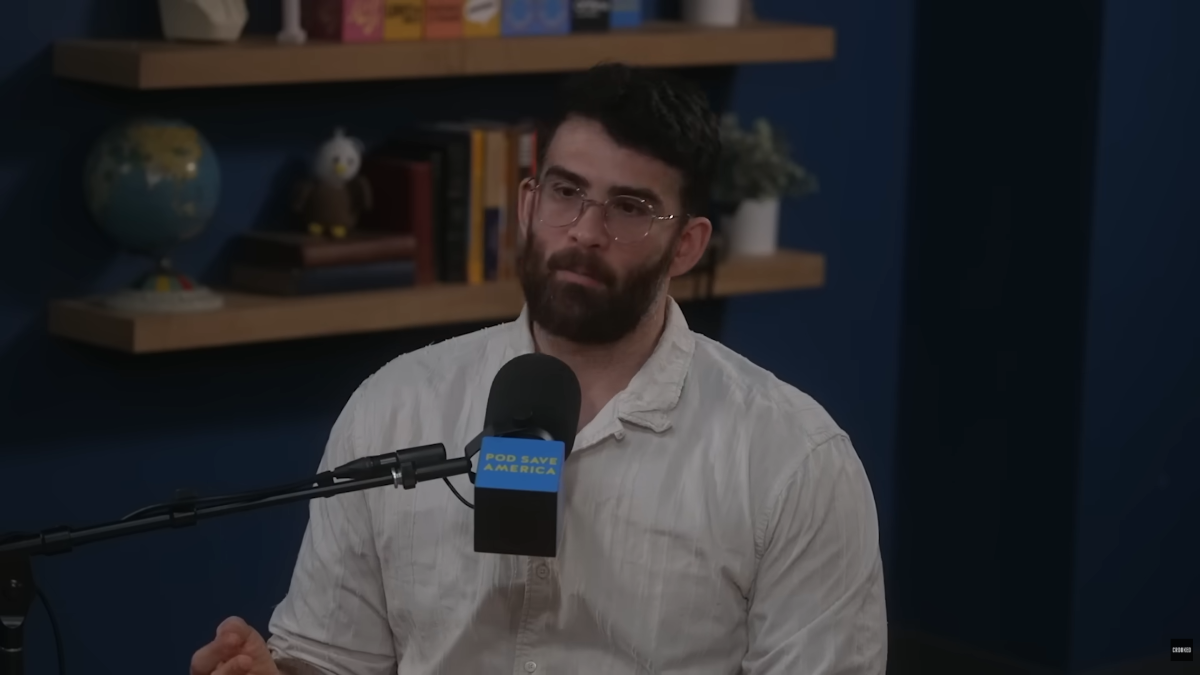
Political commentator Hasan Piker went on Pod Save America to talk about several political issues. When asked about the upcoming midterm elections, Piker imparted advice on strategy to the Democratic Party.
Jon Favreau, host of the podcast, asked Piker if he would consider a third-party vote. He brought up Piker’s previous comments against voting for Gov. Gavin Newsom from California if he ran against Vice President JD Vance in 2028.
the_mary_sue_feed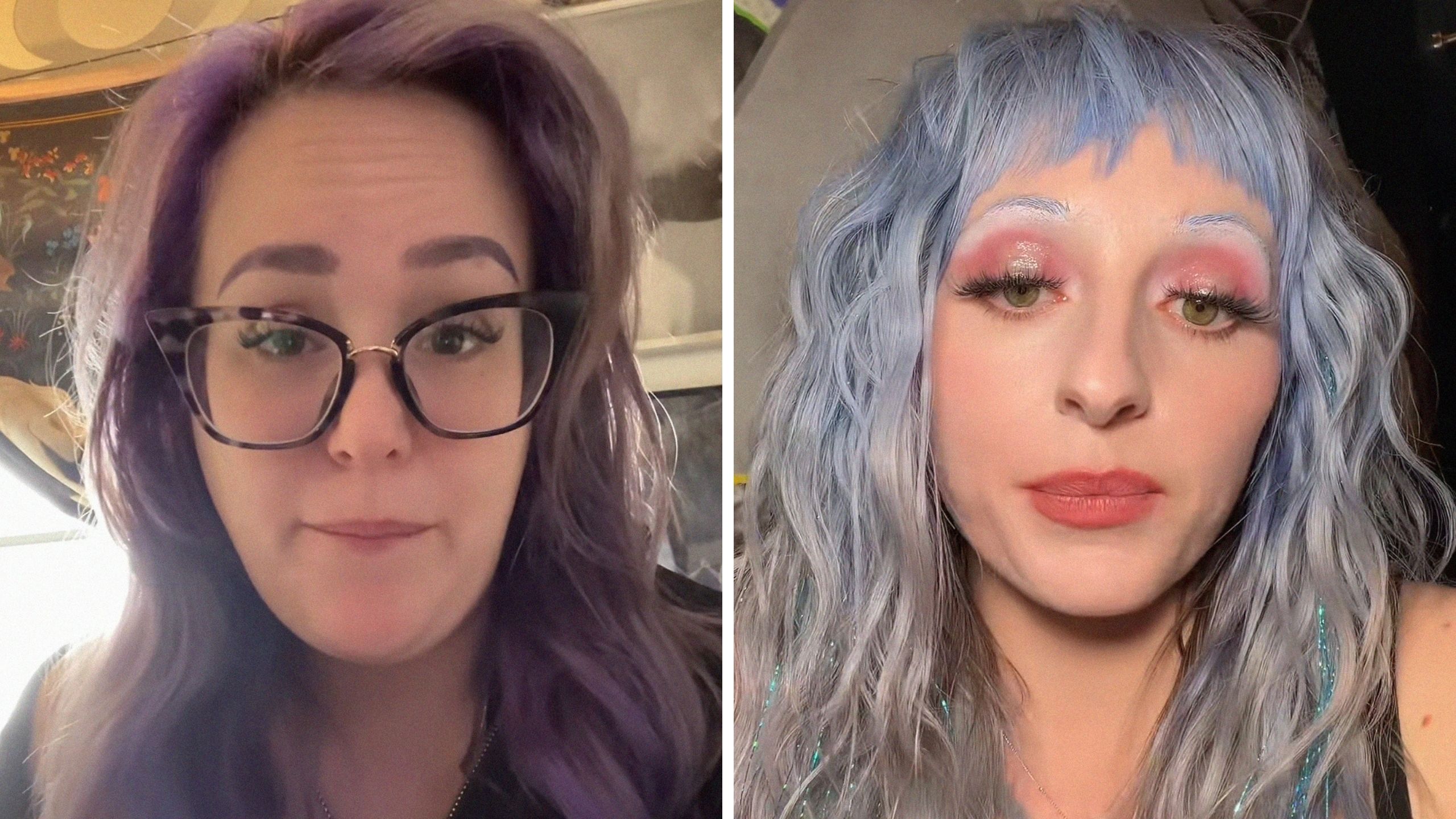
A Chicago woman overhears a man discuss lying to his girlfriend about his whereabouts before attending an Ashnikko concert. As the internet tries to find his girlfriend to warn her, Ashnikko joins and shares how she would have reacted if she knew the cheater was at her show.
In a video with over 5.7 million views, TikToker Tessa (@tessa420_) asks commenters to help her find “Carrie” from Tampa, Florida, who has a boyfriend named Brandon who went to the University of Illinois Urbana-Champaign. She overheard a conversation between him and his friends while working at a rave apparel store.
I swear only this city knows
Apr. 14th, 2026 03:32 pm![[personal profile]](https://www.dreamwidth.org/img/silk/identity/user.png) sovayspatch and I ate Greek takeout on a picnic bench by Spy Pond, watching a solitary Canada goose glide across the water as our summer in accelerated miniature looked like building toward thunderstorm. It is my father's seventy-fourth birthday.
sovayspatch and I ate Greek takeout on a picnic bench by Spy Pond, watching a solitary Canada goose glide across the water as our summer in accelerated miniature looked like building toward thunderstorm. It is my father's seventy-fourth birthday. the_mary_sue_feed
The modern dating landscape can be a terrifying minefield of entitlement. But for Russian influencer Sofia Kochanova (TikTok/@s.gorshok), a nightmare dinner tuned into a cinematic twist with a stranger.
In a video that has exploded with 3 million views, Sofia detailed a high-tension encounter with a man. After they went out on a dinner date, he attempted to use a dinner bill as a bargaining chip. And for the worst thing possible.
the_mary_sue_feed
Going on a date to Katana on Sunset Boulevard is a high-stakes fashion event. And if you pull up in your peak hair, makeup, and outfit, you might get compliments from the waitress. But make sure you’re with the right man there.
Los Angeles creator Megz (TikTok@ulovemegz) recently went on a date at Katana looking her best. And her commitment to the aesthetic paid off when the waitress took notice. But the reaction from her date was anything but supportive.
the_mary_sue_feed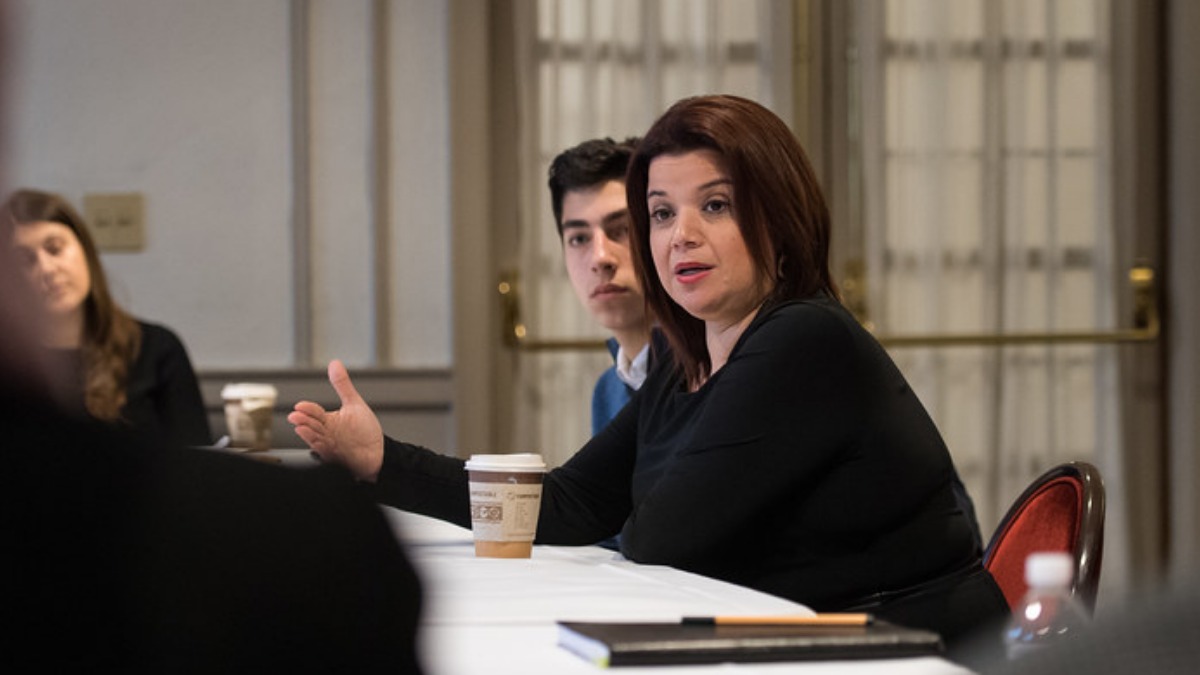
The latest attempt by Melania Trump to distance herself from associations with Jeffrey Epstein has backfired, according to Ana Navarro. During a live episode of The View on April 13, 2026, the panel dissected a surprise statement issued by the First Lady on April 9. The conversation quickly turned into a critique of her strategy, with Navarro arguing that by trying to bury these rumors, the First Lady has inadvertently reignited public interest in the Epstein files.
According to Decider, Whoopi Goldberg kicked off the segment by noting that Melania Trump explicitly denied that Epstein was the person who introduced her to her husband Donald Trump. Furthermore, the First Lady claimed she had no knowledge of the crimes committed by Epstein and Ghislaine Maxwell.
the_mary_sue_feed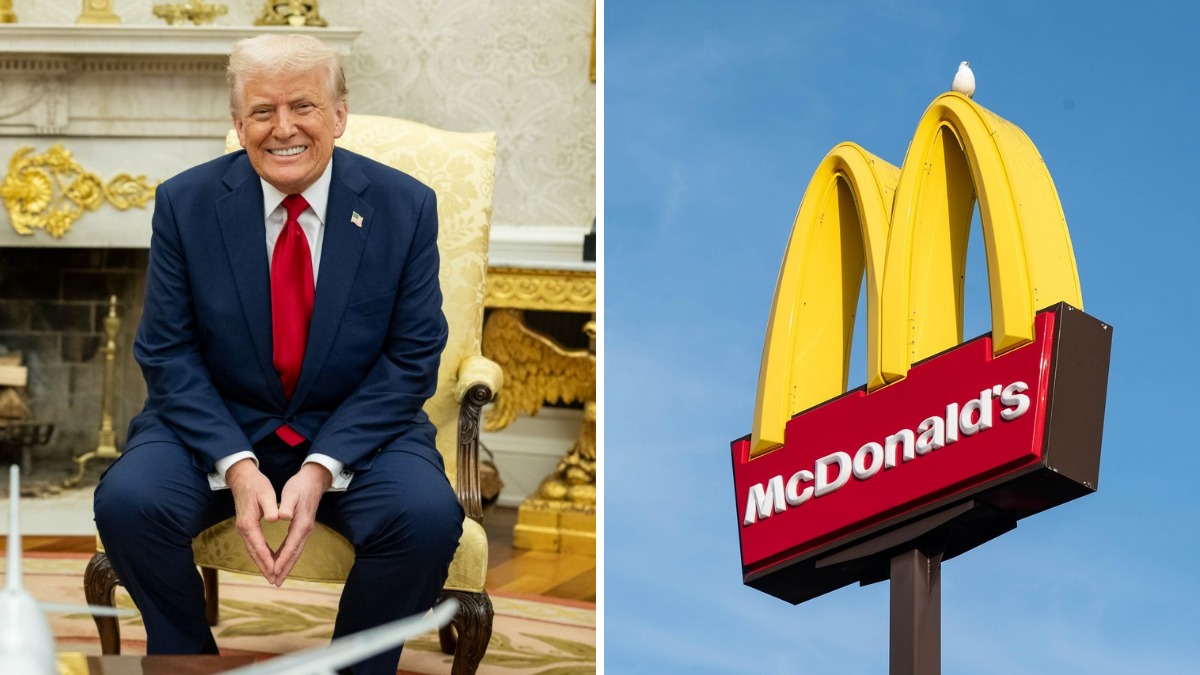
President Donald Trump brought a familiar sight into the Oval Office on April 13, 2026: a delivery from McDonald’s. This wasn’t just a casual lunch order, though. It was a deliberate move to shine a spotlight on his “no tax on tips” law, a provision he’s been championing on the campaign trail.
According to The Hill, the scene unfolded with delivery person Sharon Simmons who sported a ‘DoorDash Grandma’ shirt, arriving with two bags of the President’s longtime fast-food favorite. Trump made it clear why this moment was happening, directly addressing Simmons in a video shared by the White House.
the_mary_sue_feed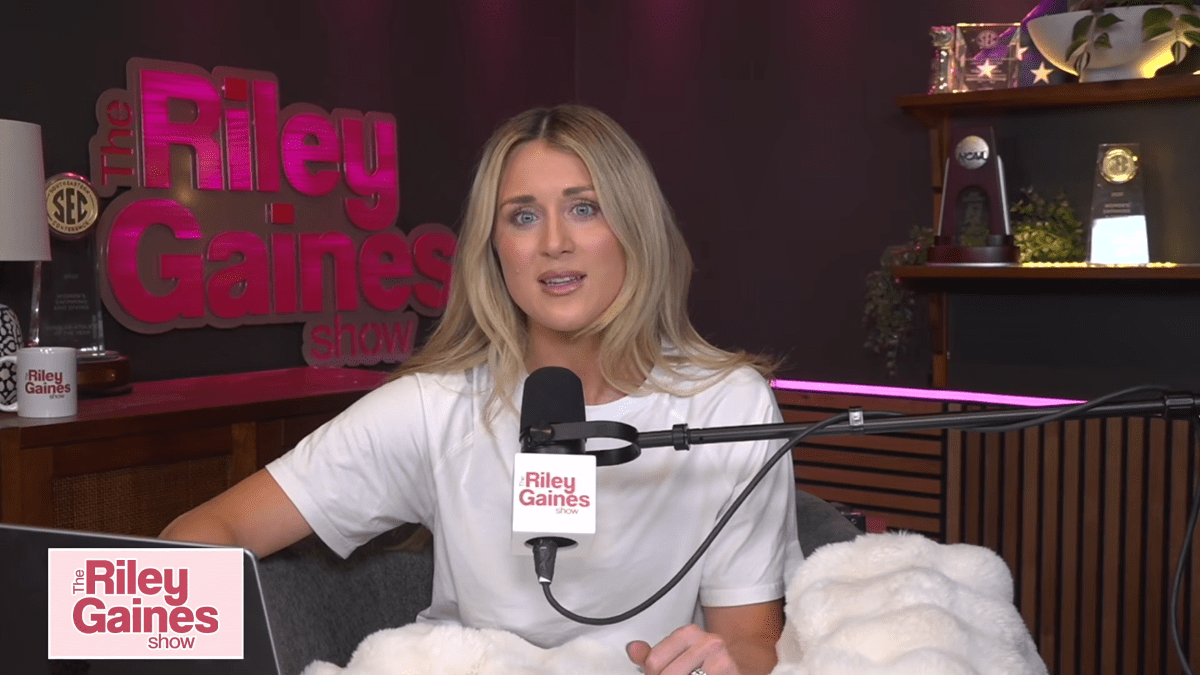
President Donald Trump had a disparaging comment to say about MAGA-aligned political commentator Riley Gaines. Despite having campaigned for him, Trump expressed dislike for her. Although he doesn’t explain why, the reason points to a statement she made against Trump’s Truth Social AI-generated photo depicting him as Jesus.
Trump was asked by the reporters at the White House if he depicted himself as Jesus. He denied the allegations, then blamed the members of the media for the assumption.
Trump’s shot at portraying himself as a savior backfires in the most glorious way possible
Apr. 14th, 2026 07:02 pmthe_mary_sue_feed
President Donald Trump found himself in a whirlwind of controversy this week after a rather striking image he posted on Truth Social was quickly deleted amidst a wave of backlash. The picture, which surfaced late on April 12, depicted the President seemingly healing a sick man with a glowing hand. After 11 a.m. on April 13, the post had vanished, pulled from his account after drawing criticism from politicians, pundits, and a significant number of Catholics.
This wasn’t just any image; it was a deeply symbolic, AI-generated portrayal of Trump resembling Jesus. According to Mediaite, in the picture, Trump was seen draped in a robe, his hand illuminated as if by a divine light, extended towards a man in a hospital bed. A nurse observed, while an American Eagle soared majestically above.